 Curate
Our Reels engagement dropped 34% last week. Anyone else seeing this or just us?
3.2M views in 48hrs. The hook was just 4 words.
Carousel vs. single image. We tested 60 posts. The winner surprised everyone.
Threads is quietly becoming the best organic reach platform right now. Here's the data.
LinkedIn algorithm shift: native documents getting 3x distribution. Act now.
The only newsletter
that reads the feed
so you don't have to.
Weekly dispatch dissecting the campaigns, creator moves, and algorithm shifts that matter — delivered before Monday's content calendar locks.


Creator Spotlights
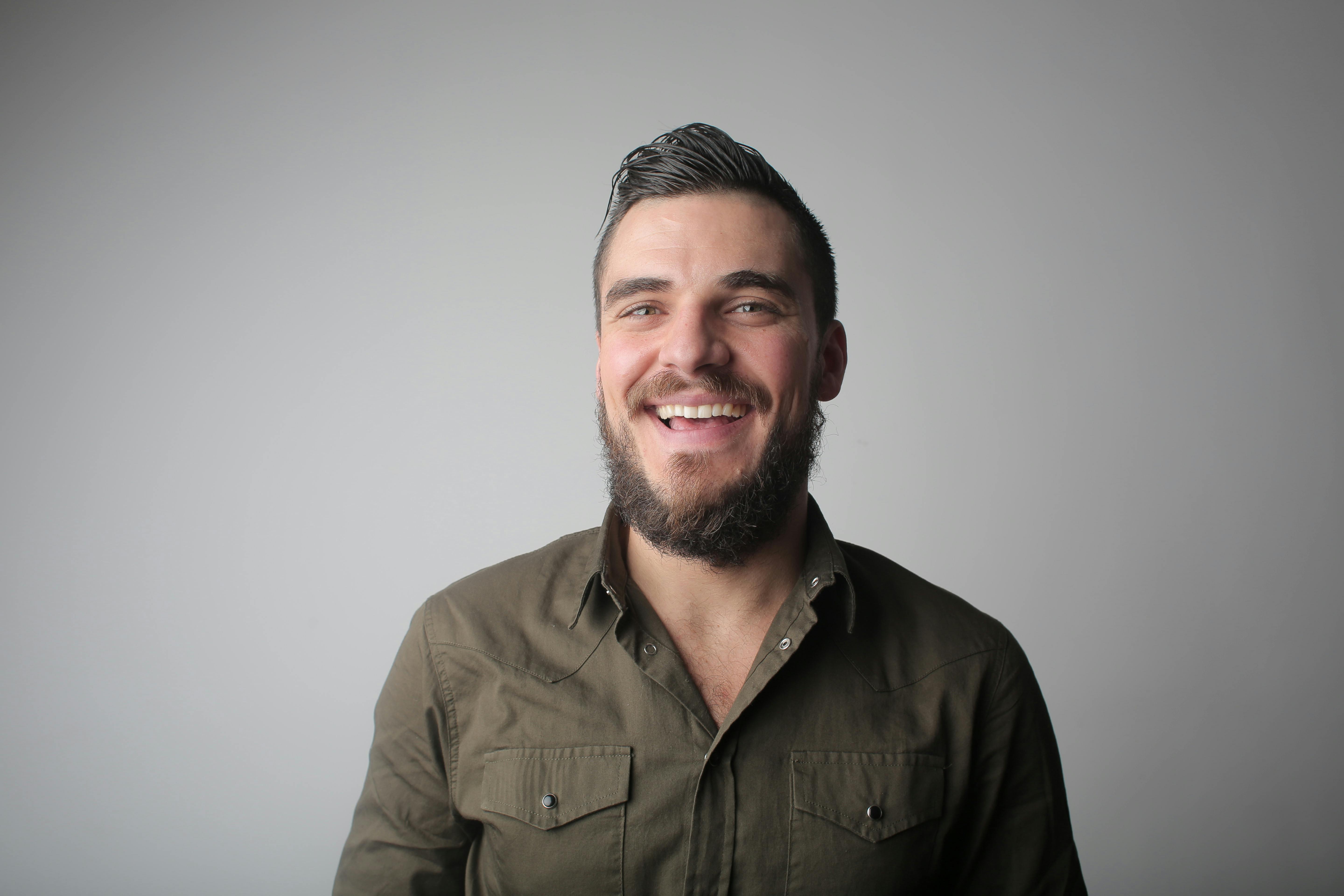
How a 23-year-old turned a niche meme format into a $180K consulting pipeline
Marcus Webb posted 47 consecutive "industry dirty secrets" Reels. By post 12, DMs were unmanageable.

Marcus wasn't trying to go viral. He was documenting what he saw working in email marketing — the tactics agencies don't publish because they're too effective. The format was simple: black card, white text, 7-second read. No face, no voice, no production cost. What he didn't expect was that the "ugly" format would outperform his polished studio content by 14x.
The format created cognitive dissonance — professional insight wrapped in deliberately lo-fi packaging. Audiences trusted the rawness. The "dirty secret" framing triggered curiosity gaps that forced completion rates above 94%. Each video ended mid-thought, driving profile visits.
I stopped trying to look like a brand and started acting like a source. That was the only change.
The campaign that made a $40 skincare serum feel like a cultural artifact
Lumière Labs gave 6 micro-creators complete creative control. No briefs. No approval rounds. The results broke their attribution model.

Standard influencer playbook: send product, provide talking points, approve content before posting. Lumière did the opposite. They shipped product with a single card: "Show us where this fits in your actual morning." No hashtag. No mention requirement. Three of the six creators never even showed the product clearly. One filmed it sitting on a stack of library books. That post generated 2.3M organic views.
Audiences have developed near-perfect sponsored content radar. The absence of brand language created authentic curiosity. When viewers couldn't immediately identify it as an ad, dwell time increased. The ambiguity became the strategy. Lumière's DTC site saw a 67% traffic spike from a single TikTok that technically violated every influencer brief they'd ever written.
We gave up control and got authenticity back. Our CFO thought I'd lost my mind until the numbers came in.
The 18-second Threads post that made a B2B SaaS feel like the most interesting company online
Stackflow's social lead posted a "boring" internal Slack message at 11pm on a Tuesday. 48 hours later, their trial signups were up 340%.

The post was a screenshot of a Slack message from their CEO: "We just lost our biggest customer. Here's exactly what went wrong and what we're fixing." No spin. No PR polish. Fourteen bullet points of brutal self-assessment. Stackflow's social lead, Priya Nair, posted it without approval — and then spent the next hour wondering if she'd get fired. Instead, it became the highest-performing organic post in B2B SaaS history on Threads that quarter.
Radical transparency in a space built on case studies and success metrics created a pattern interrupt so powerful it spread across LinkedIn, Twitter, and Hacker News simultaneously. The specificity — naming the customer category, the exact failure point, the fix timeline — made it undeniably credible. Every competitor's polished content looked worse by comparison.
I was ready to get fired. Instead my CEO called it the best marketing decision the company had ever made.
Find Your Content
Blind Spot
5 questions. 3 minutes. Identifies the exact gap holding your content strategy back.
Are you losing ground to creators who know something you don't?
This 5-question diagnostic identifies whether your biggest content gap is algorithm literacy, format experimentation, analytics interpretation, community engagement, or trend timing — then sends you a personalized playbook.
No email required to start
Prefer to skip the quiz? Just subscribe and get the next issue directly.
What's inside
this week
Every issue is structured the same way: one platform intelligence briefing, one creator case study, one format experiment, and one trend window with a close date. No filler. No repurposed Twitter threads. All original analysis.
“The only newsletter I actually read start to finish every single week.”— Freelance content strategist, 3 client accounts
Instagram's new "Interested" signal is quietly killing broadcast accounts
The shift from follower count to interest graph is 6 months old — but most accounts still haven't adjusted their strategy.
How Naomi Osei turned a failed YouTube channel into a $2.3M newsletter business
She stopped trying to compete on video and started treating her email list as her primary product. The pivot took 4 weeks.
The "anti-carousel" format getting 3× more saves than traditional carousels right now
Single-image posts with a specific text overlay pattern are outperforming 10-slide carousels in 7 out of 8 niches we tracked.
Why B2B brands are suddenly winning on TikTok — and the 3-week window before it normalizes
The "boring industry, unfiltered voice" format is in its early-adopter phase. Here's the playbook before everyone catches on.
Reader Stories
14,800 content strategists
can't all be wrong
Solopreneurs, DTC social leads, and freelance creators who stopped guessing and started knowing.
I used to spend Sunday afternoon piecing together what happened on social that week. Now I read Curate Monday morning and I'm done in 12 minutes. My clients think I have a research team.

The format breakdowns alone are worth the subscription. I showed the carousel vs. single-image data to my CMO and we shifted our entire Q1 strategy. We're up 34% on reach.
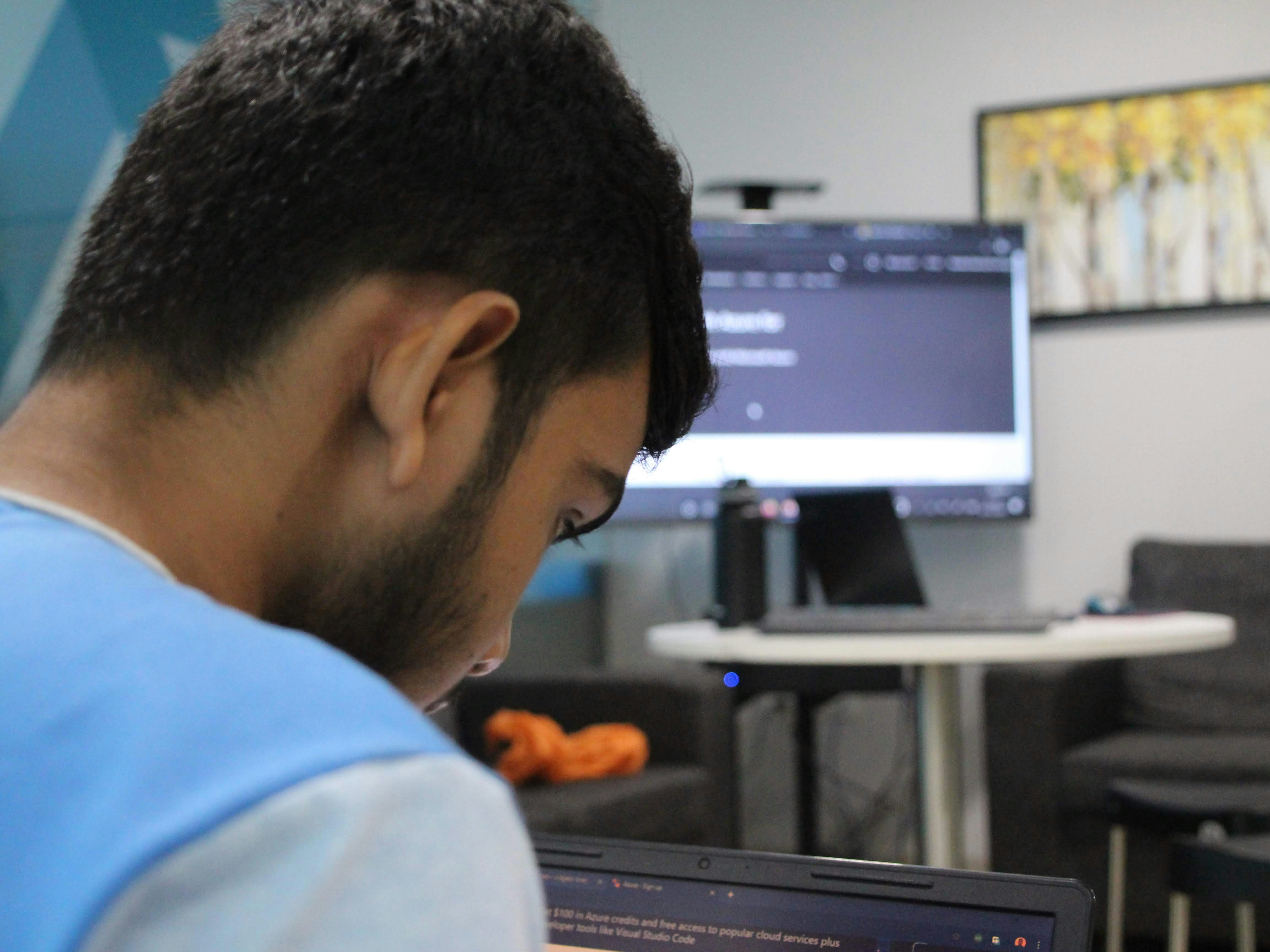
Every creator newsletter tells you what went viral. Curate tells you why — and more importantly, whether your audience would actually care. That's the difference.

Read the feed
before Monday.
Every issue lands in your inbox Sunday evening — so your content calendar is informed before the week begins.
Free forever · No spam · Unsubscribe any time